Tenma kiriko cut glass is attracting a lot of attention as a new Osaka specialty. During the late Edo period (from the late 19th to late 20th century), Osaka’s Tenma was the top glass-producing district in Japan. For various reasons it went into decline in the post-war years, but the creation of Tenma kiriko by a glass artisan has sparked its revival. We paid a visit to Masami Nishikawa of Tenma Kiriko Kobo Shoei, who is adding new sparkle to the world of Osaka crafts.
Tenma kiriko inherited traditions from the Edo period (1603-1868) and blossomed in the Heisei era (1989-2019)
Kiriko features patterns cut into the glass surface, and is mainly used for glasses to serve Japanese sake and cold drinks. Edo kiriko and Satsuma kiriko are widely known, but Osaka too has a cut glass craft: Tenma kiriko.
Surprisingly enough, it is still unknown to many of the city’s residents, probably because it was only given the name of Tenma kiriko in the 2000s.
The connection between Osaka and glass dates back to the Edo period. A Nagasaki glass merchant set up business near Osaka Temmangu Shrine, and craftsmen flocked to the area around the shrine. Tenma became the top glass-producing district in Japan. To the west of the Osaka Temmangu Shrine main gate is a stone monument with the engraving “The birthplace of Osaka glass.”
However, more and more ateliers closed down in the years after World War Two due to increased glass imports and difficulty finding a successor for their business, and Tenma’s glass craft went into decline. Tenma kiriko was born out of a foreboding that the historied glass industry would perish unless something was done.
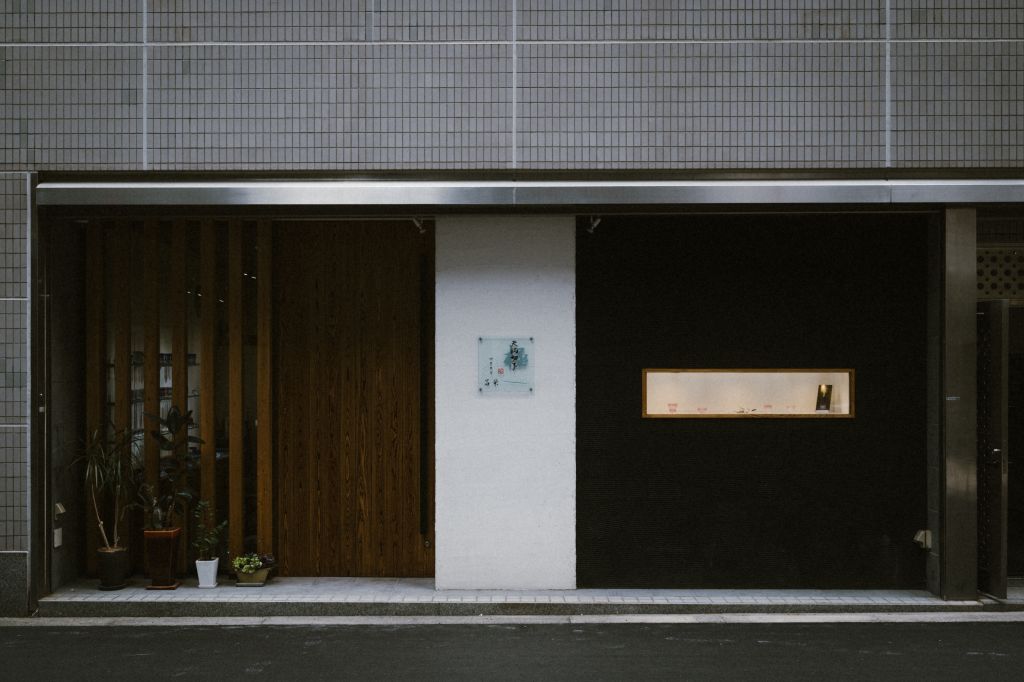
Inspired by that sense of crisis, Tenma Kiriko Kobo Shoei came into being in 2017. It is located a ten-minute walk from the monument to the birthplace of Osaka glass and has inherited the DNA of Tenma kiriko.
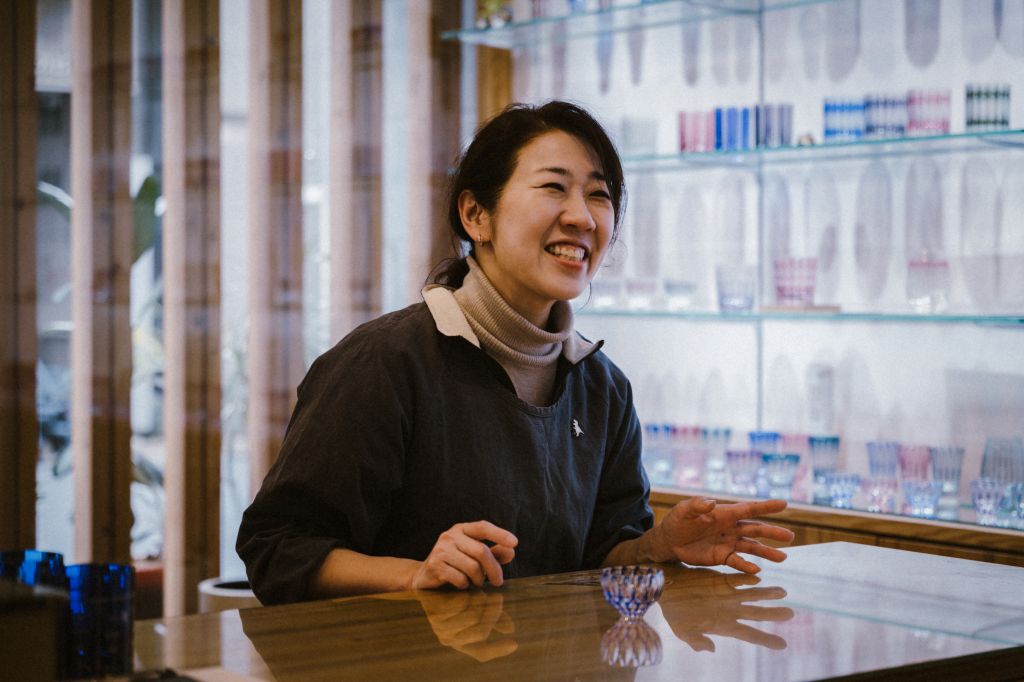
Tenma kiriko has a rounded form polished by hand
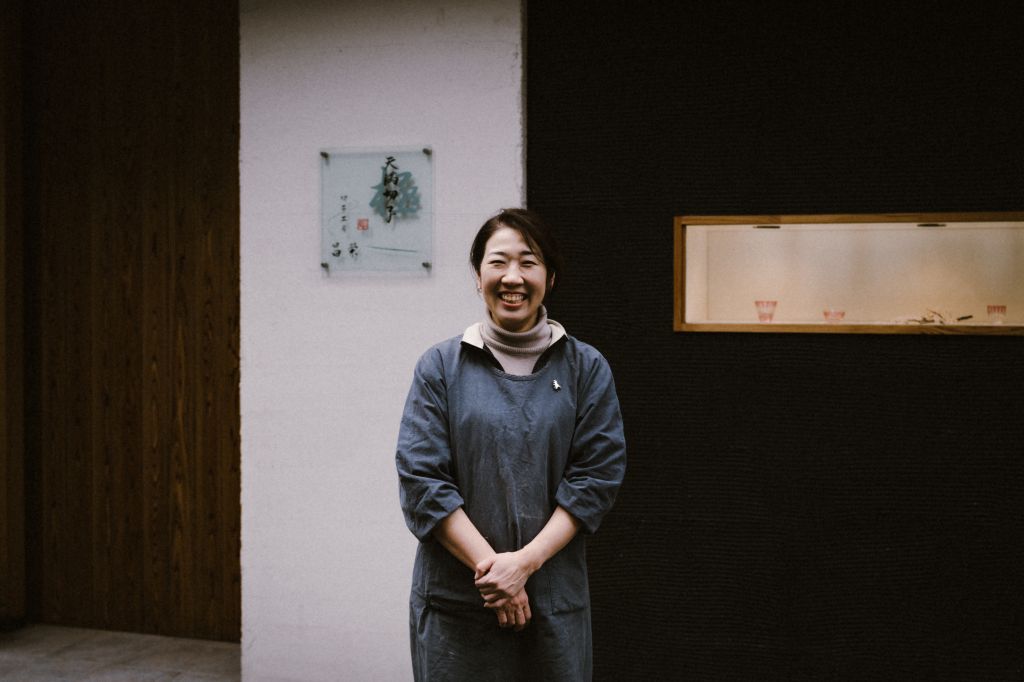
The atelier is led by Masami Nishikawa, an artisan who is also the founder of Shoei.
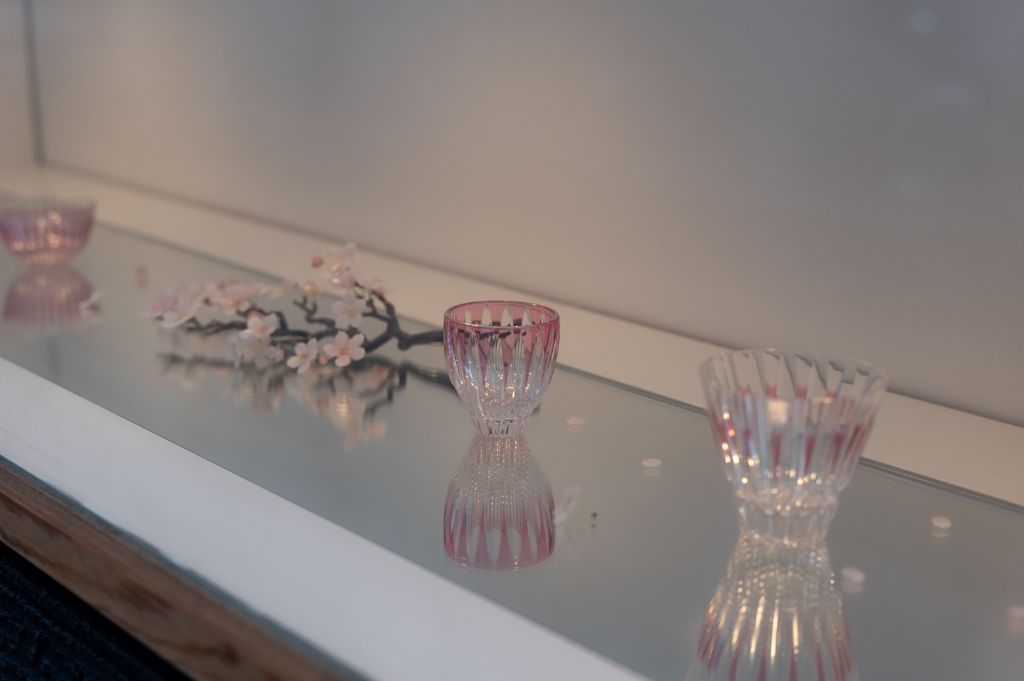
“Tenma kiriko is practical crafted glassware where the light refraction has been carefully calculated. Kiriko glassware generally has V-shaped cuts that put an emphasis on sharpness. Tenma kiriko, on the other hand, is distinguished by U-shaped cuts and a sheen created by a technique known as ‘hand polishing.’ The polishing gives it a softer appearance,” says Nishikawa-san.
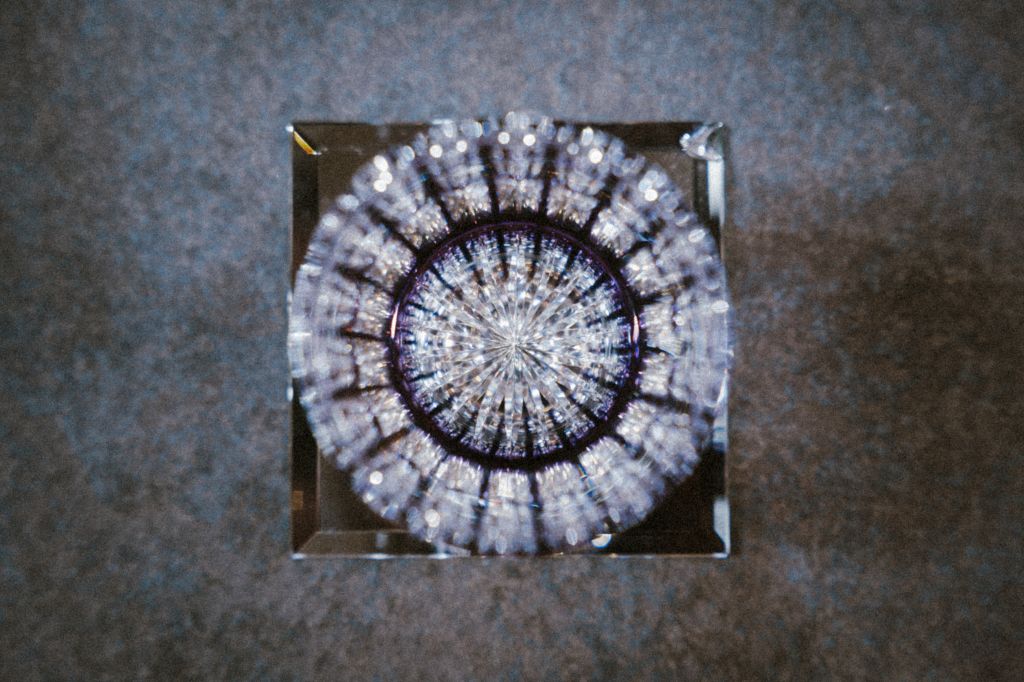
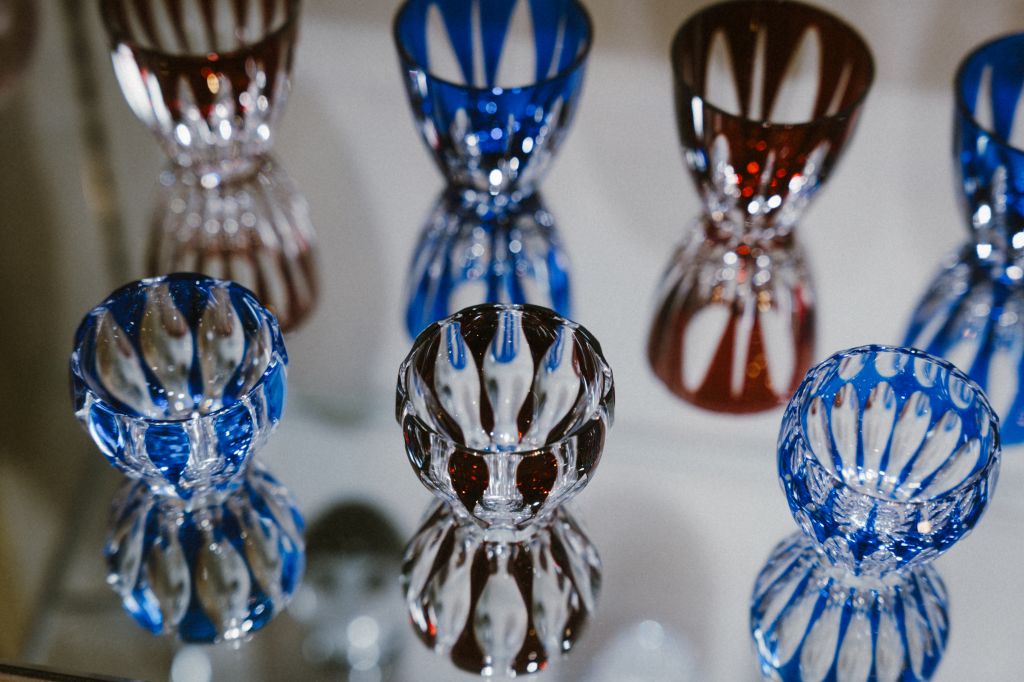
The incisions in Tenma kiriko are certainly not as sharp as those in Edo kiriko or Satsuma kiriko. Their rounded edges have a satisfying smoothness and the glass fits well in the hand.
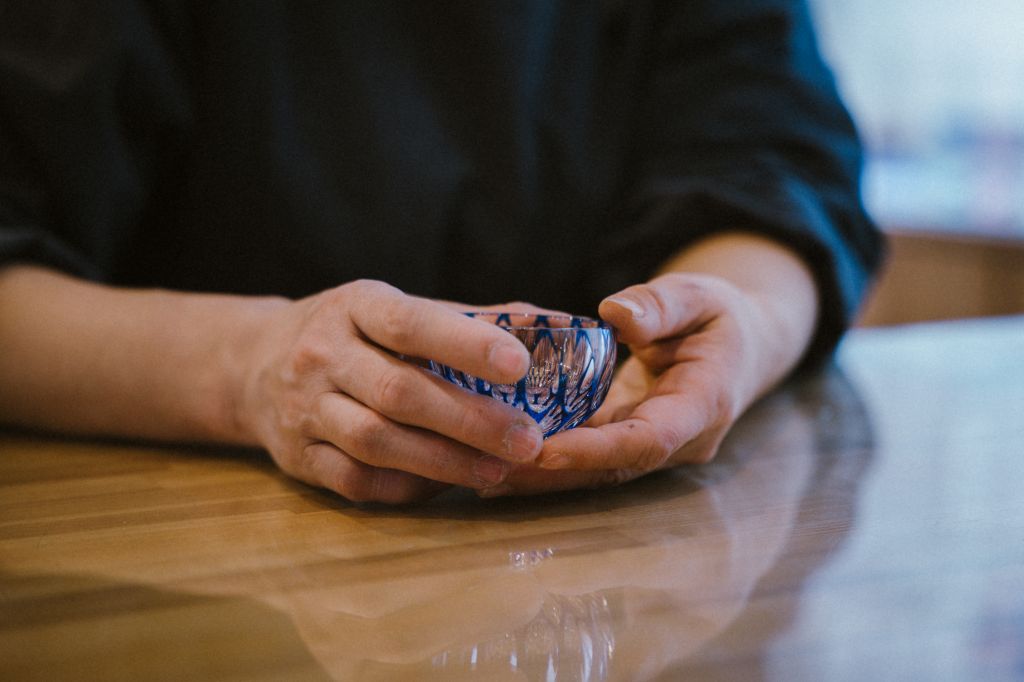
Nishikawa-san has followed an unusual career path as she used to design circuit boards for electrical appliances. She read a newspaper article in which Takeichi Ura, the master craftsman who created Tenma kiriko, sounded a heartfelt warning that glasswork would die out in Tenma unless something was done.
“I hadn’t known that such a precious craft existed in Tenma. My interest was aroused so I attended Ura-sensei’s kiriko classes, and later became his apprentice.”
What was the essence of his teachings?
“He emphasized the critical importance of careful polishing, teaching us that a glass would not be accepted if it wasn’t polished properly.”
A workshop experience that attracts overseas visitors too
Nishikawa-san is trying to spread awareness of Tenma kiriko by holding workshops.
“People come from all over Japan for our workshop experience. Overseas visitors attend them too. We get lots of positive feedback, such as ‘I really enjoyed experiencing Japanese culture at first-hand,’ and ‘I gave the glass I made to a friend who was delighted by it.’”
The glasses cut by the participants are polished at the atelier and then shipped to them when they are finished. The atelier also takes reservations for a separate polishing workshop if participants want to complete the finishing process themselves.
When Nishikawa-san did the polishing she was completely focused on the glass surface.
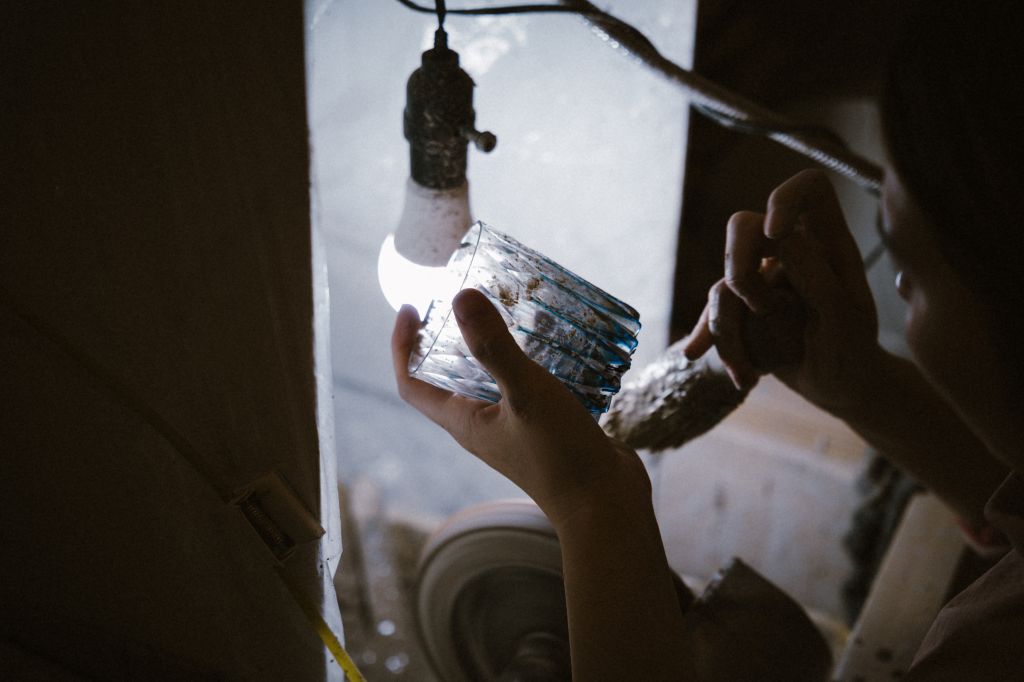
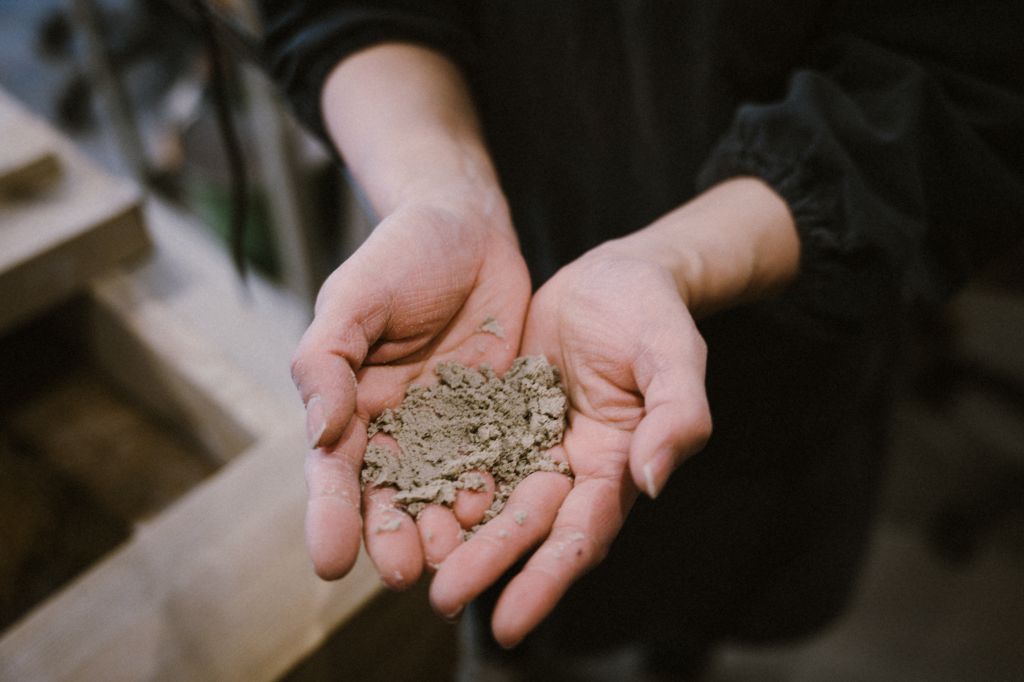
“I polish with wetted sand on a cork disc. It’s extremely difficult to polish the glass evenly, and if it’s an elaborate item I can only finish one a day.”
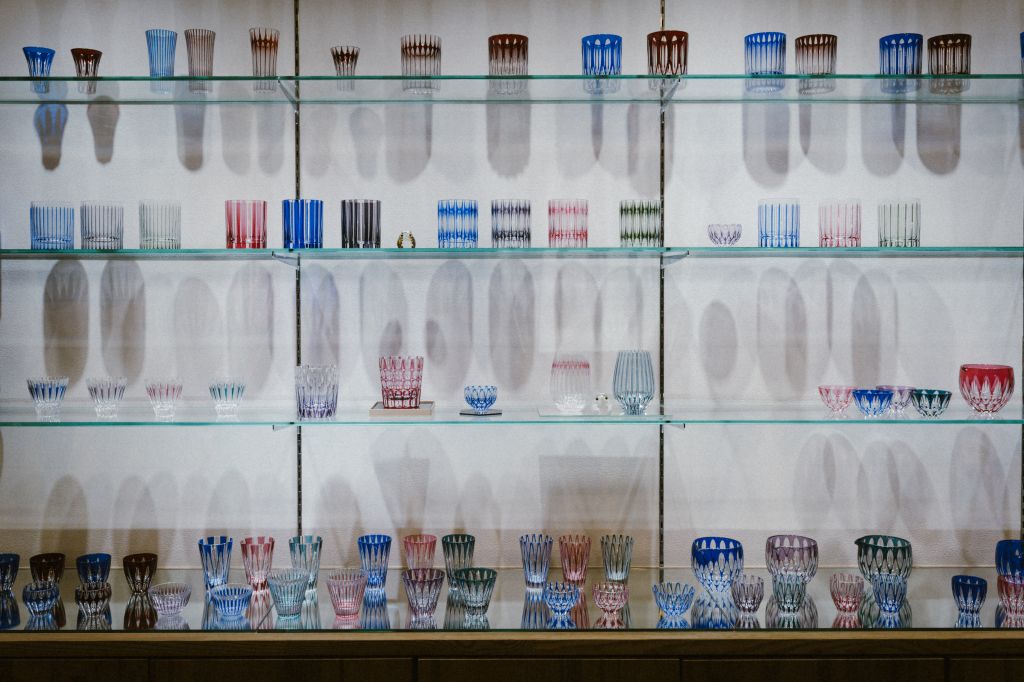
The legacy of traditional glasswork lives on today in Tenma kiriko. Nishikawa-san has also thought about the future.
“I want to incorporate new designs and techniques. And I want to make Tenma kiriko known throughout the world.”
The hand-polishing is vital in Tenma kiriko.
Today, as always, Nishikawa-san focuses on the glass as she serenely polishes this new cultural form.
Information as of February 2026.
INFORMATION
Tenma Kiriko Kobo Shoei
103, Wako Bldg., 5-14-7 Nishitenma, Kita-ku, Osaka
10:00 am to 6:00 pm
Closed on Sundays and public holidays